Walking Gourmet is a Rome-based tourism company offering food tours, wine experiences, cooking classes, and cultural activities. Despite having a strong product offering and an established reputation, the website had evolved over several years without a unified strategy for search visibility, content organization, user experience, or long-term growth.
Over a six-month period, I led a complete website transformation focused on improving website architecture, search visibility, performance, user experience, content strategy, and business scalability.
Rather than treating SEO, Web development, design, and digital marketing as separate disciplines, the project was approached as a complete digital growth initiative where every improvement supported a larger business objective.
Services Provided
Business Consulting
Marketing Planning
WordPress Development
Website Architecture
UX/UI Improvements
Technical SEO
Structured Data Implementation
Content Strategy
Semantic SEO
Local SEO
Internal Linking Strategy
Conversion Optimization
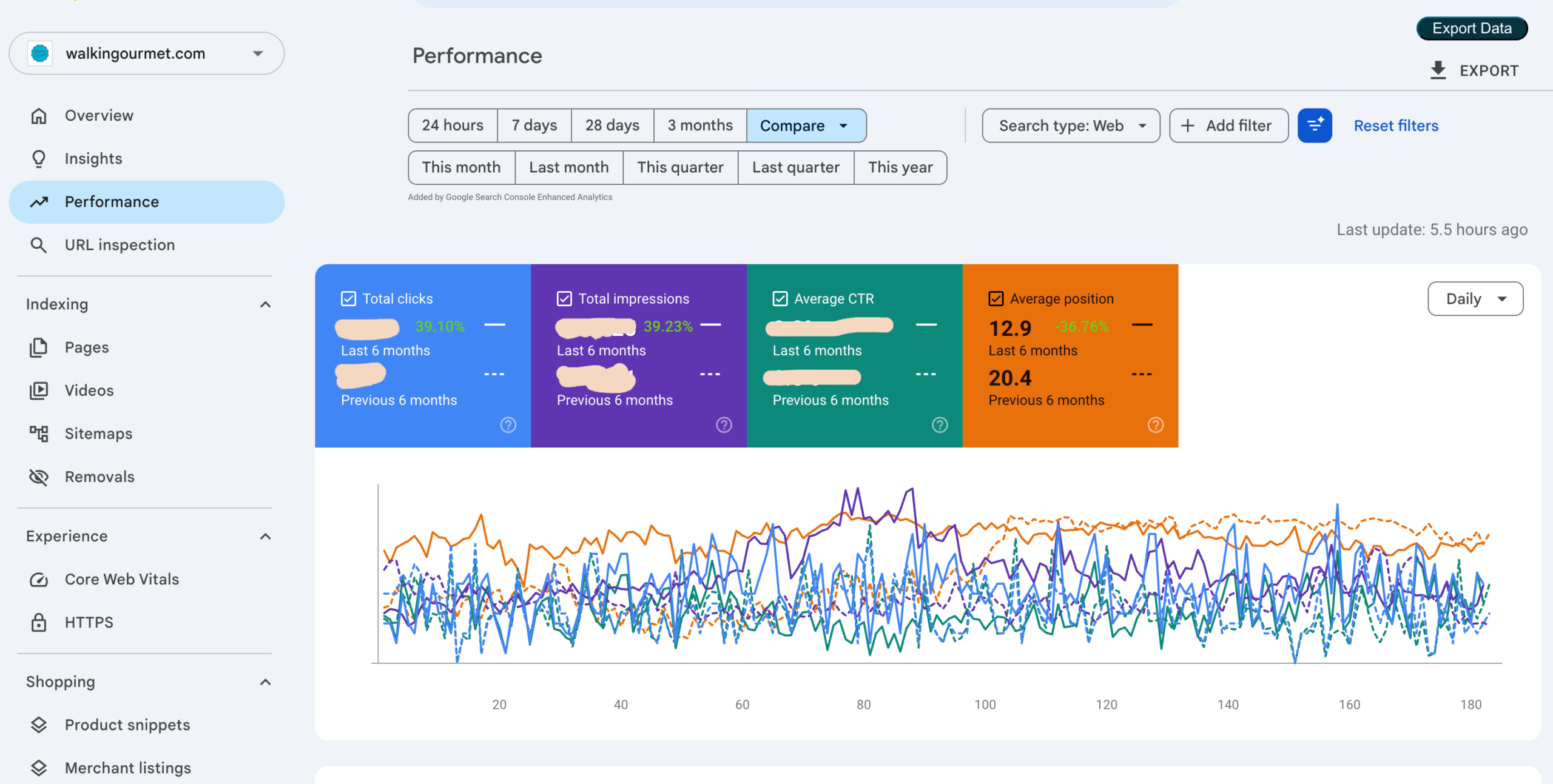
Results at a Glance
+36%
Organic Traffic
+37%
Search Impressions
+37%
Average Search Visibility
Multiple New First-Page Rankings
Stronger Topical Authority Established
Scalable Website Structure Created
Rebuilt website architecture around search intent and scalability
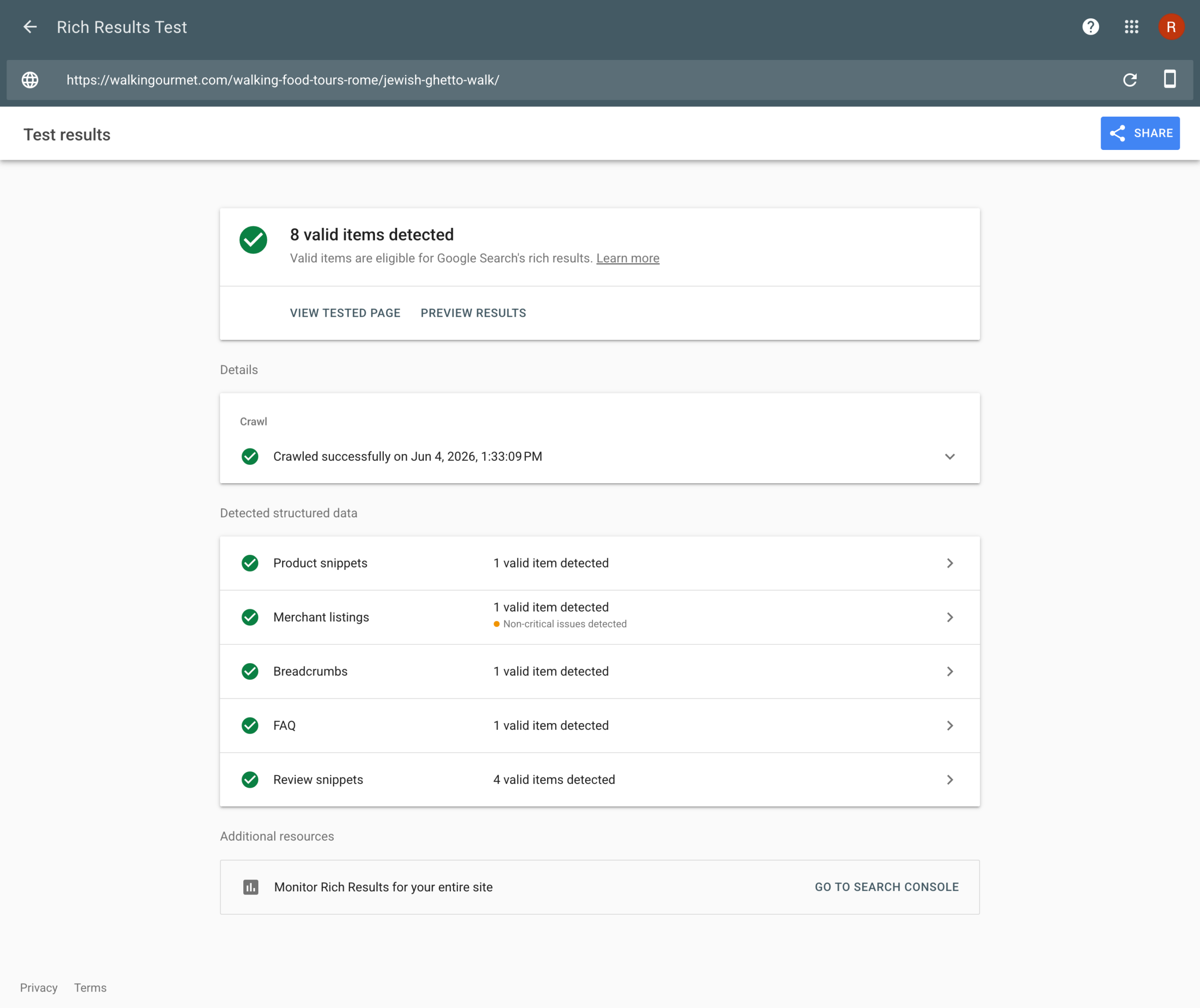
Implemented a comprehensive structured data framework
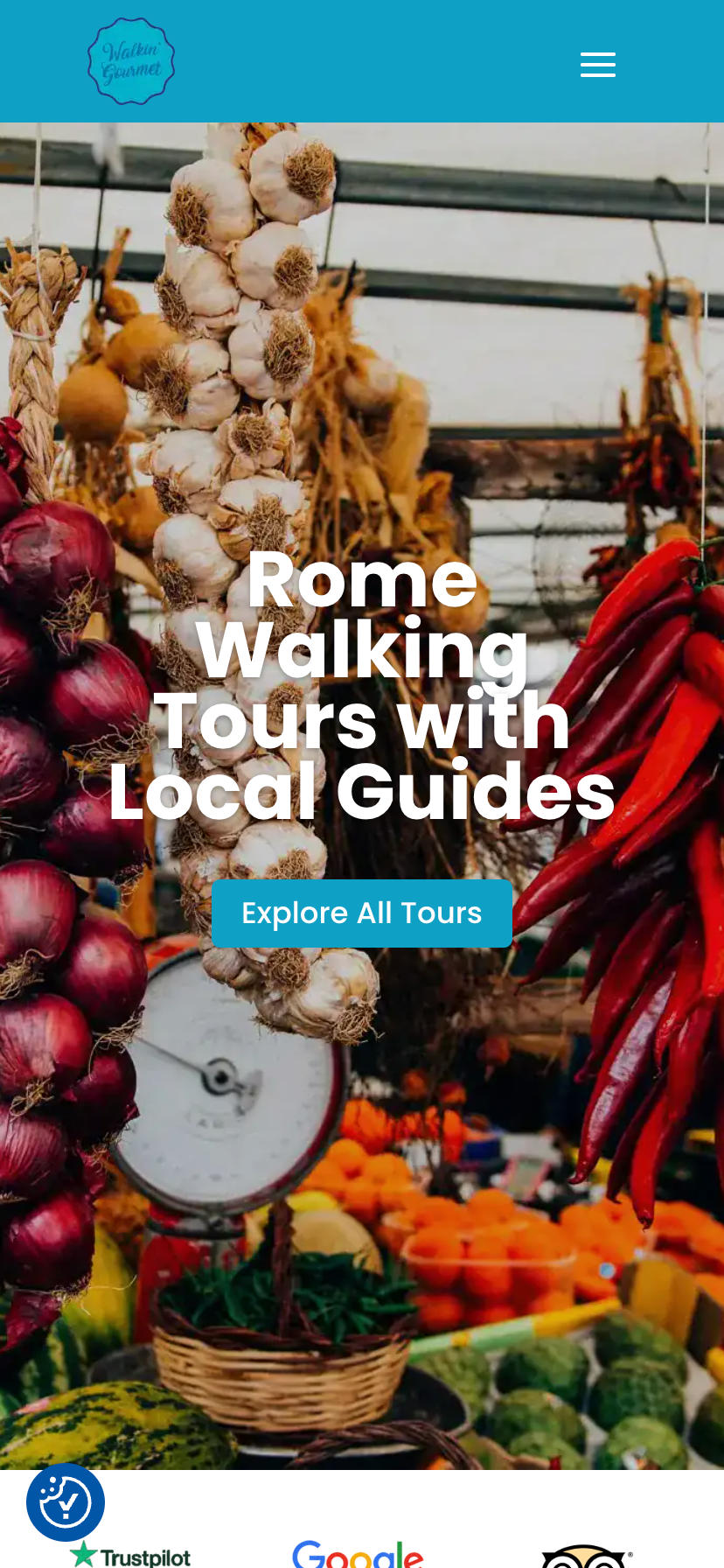
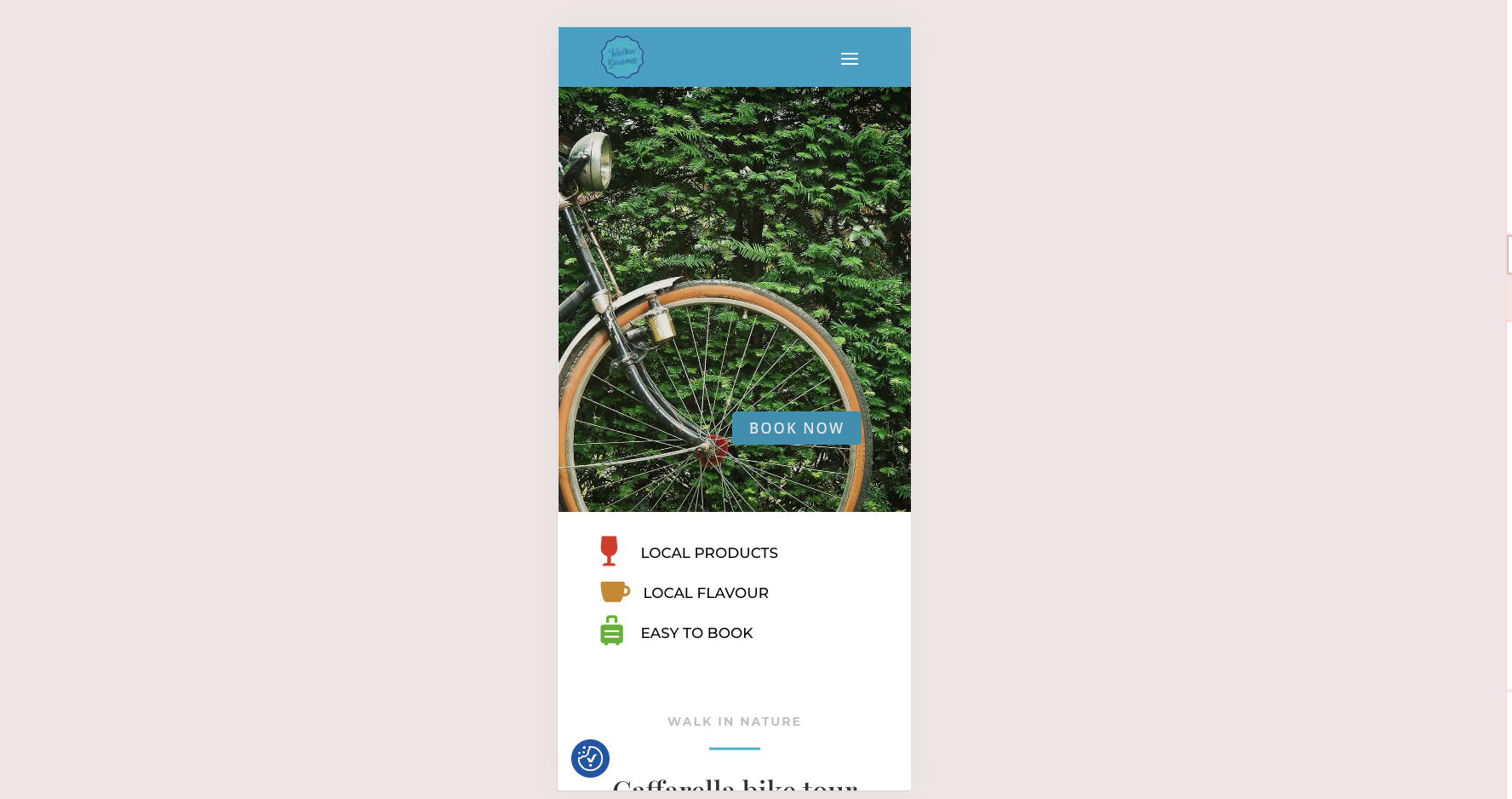
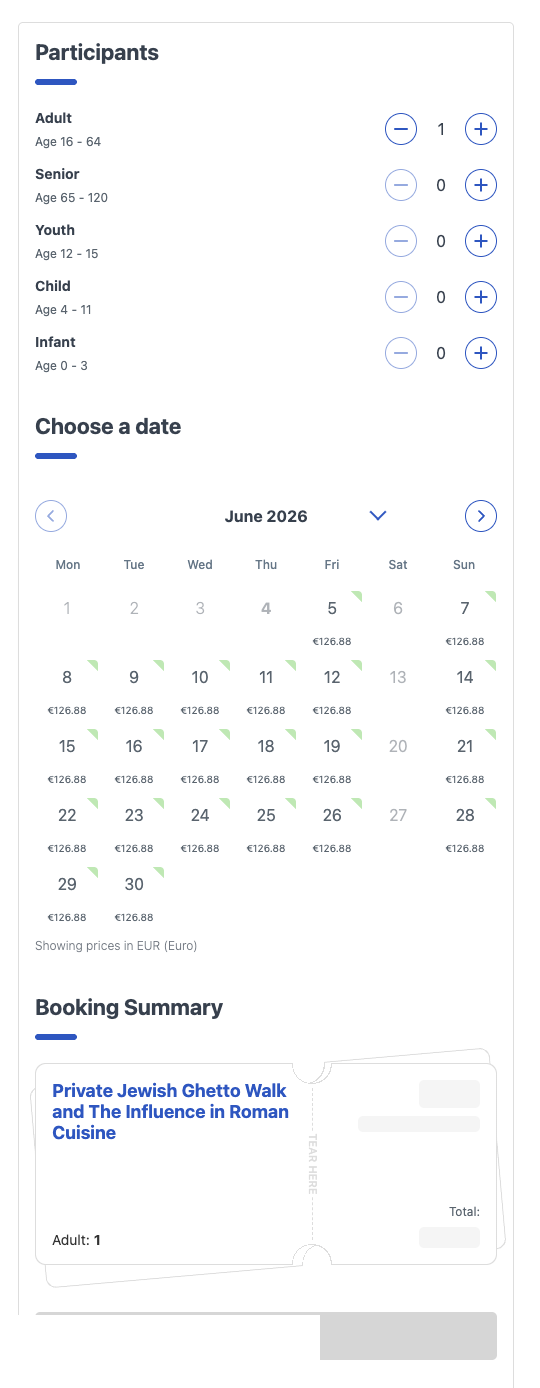
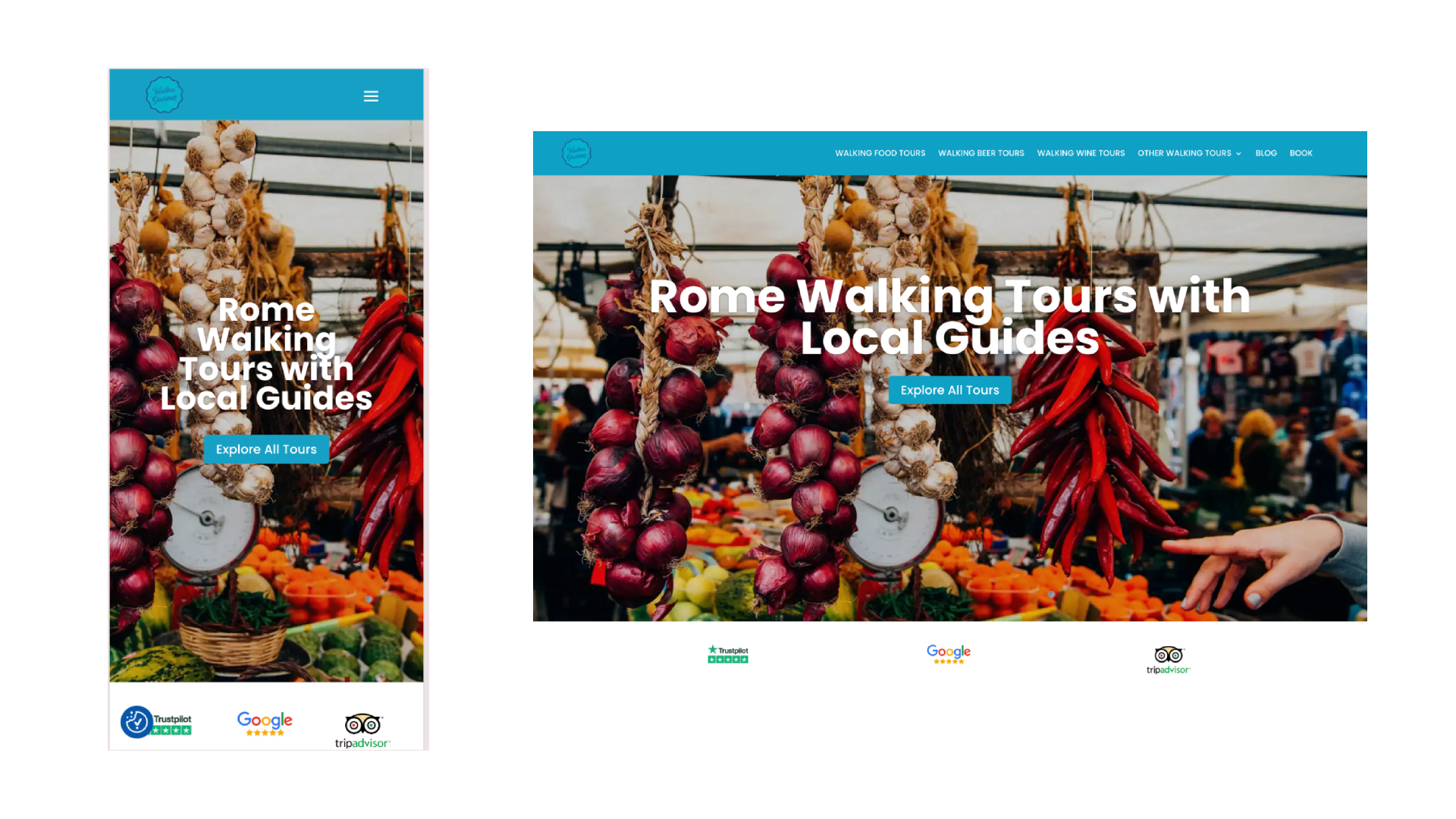
Improved mobile experience and booking journeys
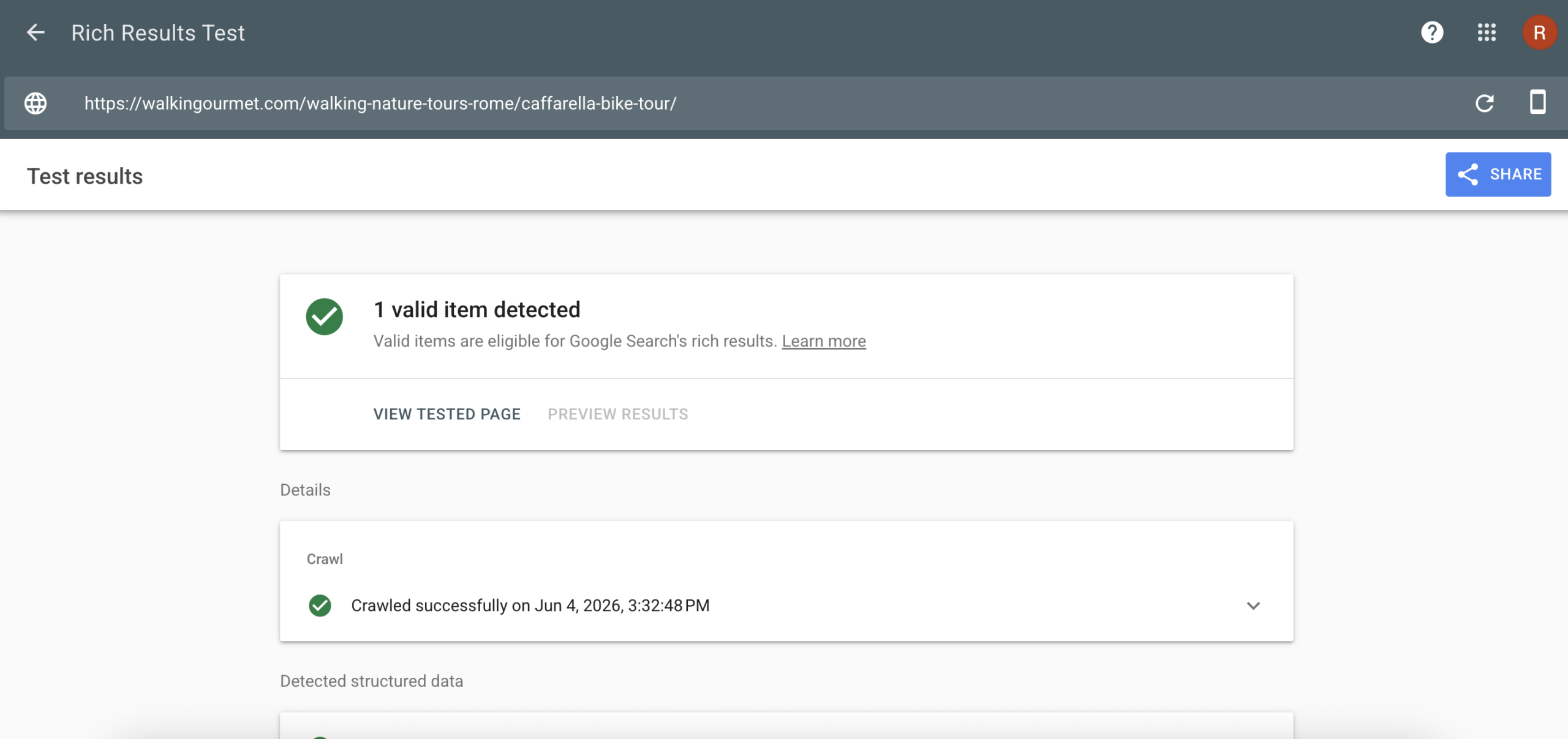
Structured Data Implementation
Established a long-term SEO and content growth roadmap
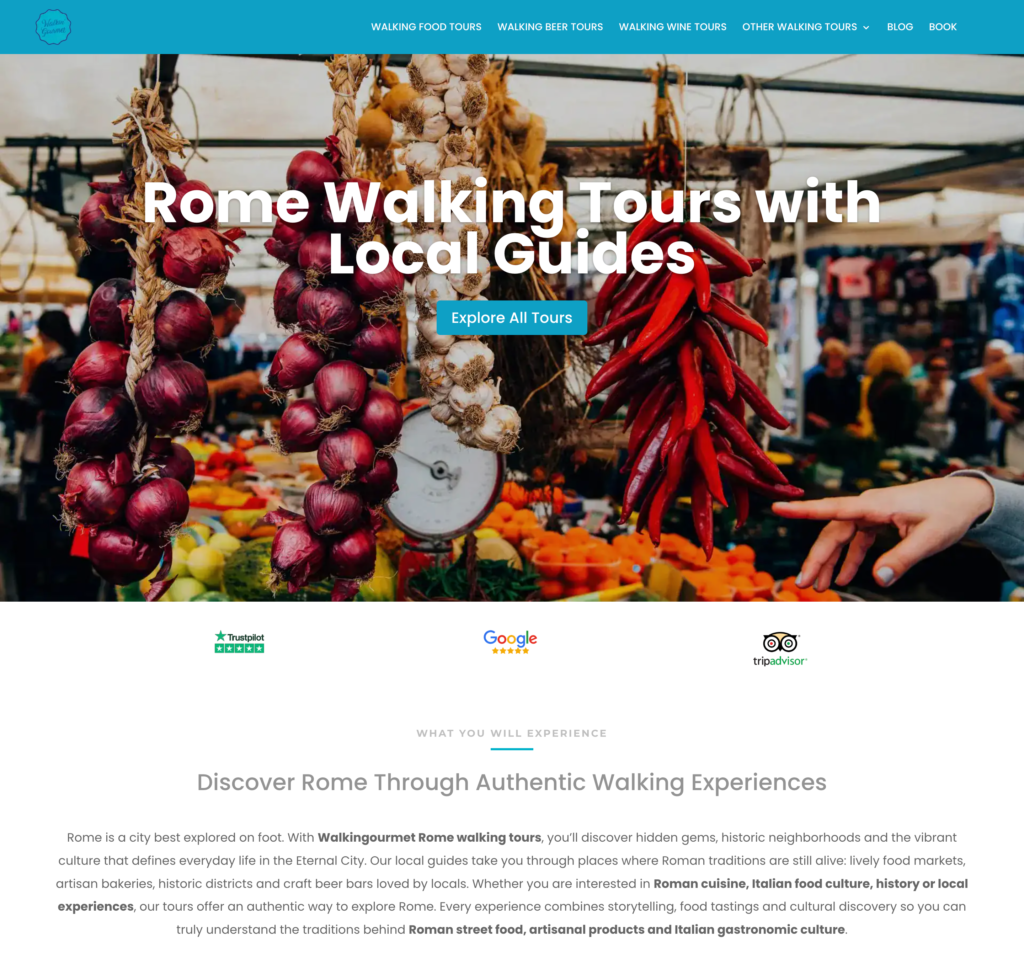
Before vs After
Strategic websites are built for businesses that want long-term visibility, usability, and scalable growth, not just a modern-looking website.
Before
Thin content pages
Isolated pages
Minimal structured data
Fragmented architecture
Weak internal linking
Mobile usability limitations
After
Comprehensive, intent-driven pages
Connected content ecosystem
Comprehensive schema framework
Topic-based hub structure
Strategic authority flow
Mobile-first user experience
The Challenge
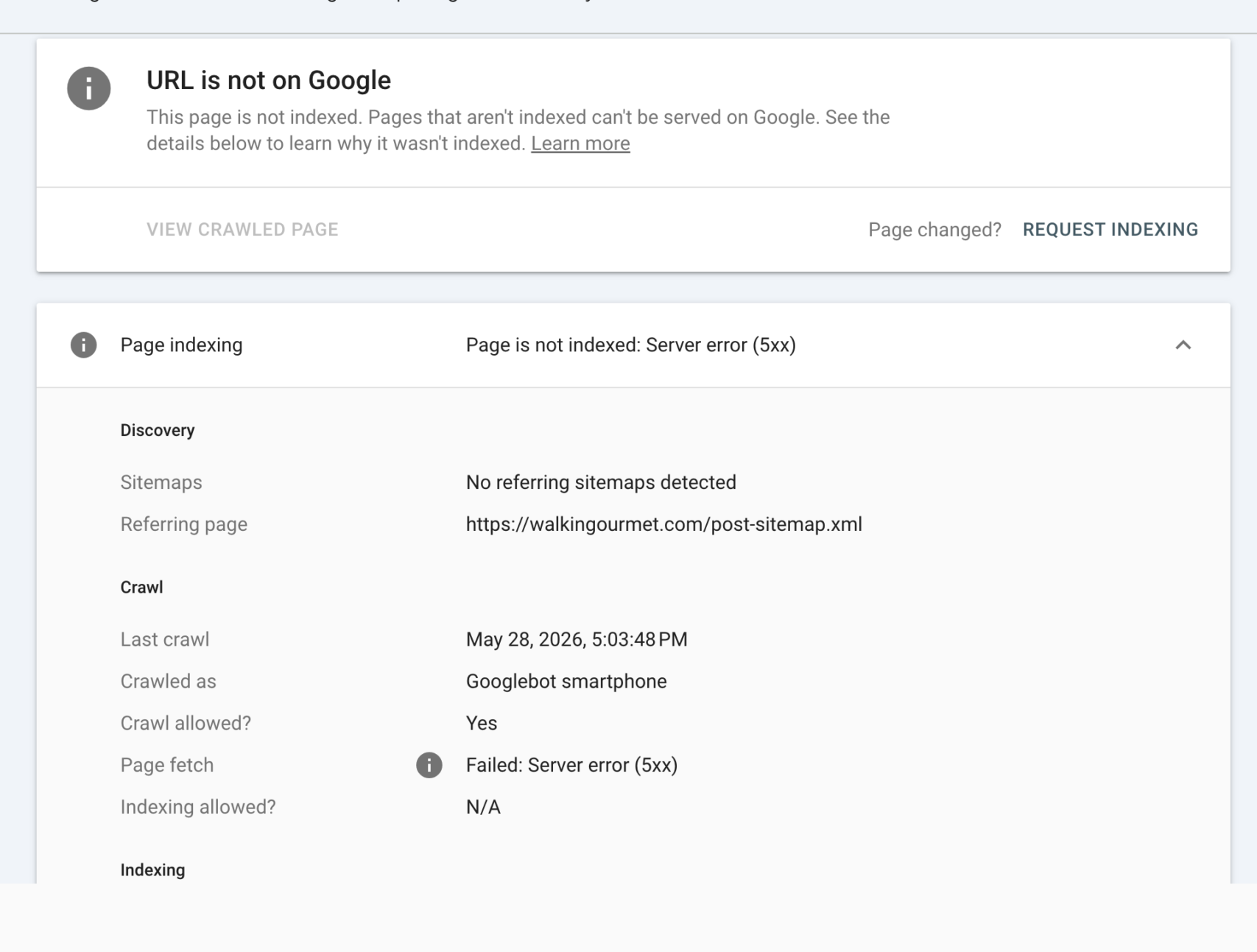
The website had grown organically over several years, resulting in inconsistent page structures, disconnected content, and limited topical authority. Important technical elements such as structured data, internal linking, and indexation management had not been fully utilized, making it difficult for search engines to understand the site’s expertise and relationships between topics.
The objective was not simply to improve rankings. The objective was to create a digital foundation capable of supporting future growth, marketing initiatives, content expansion, and conversion optimization.
Before Optimization
My Role:
I was responsible for both strategy and implementation throughout the project.
Unlike many SEO projects where recommendations are handed to developers, every major improvement was planned, implemented, tested, and deployed directly.
This included:
Business growth consulting
Website development
UX/UI improvements
Performance optimization
Content strategy
Search optimization
Structured data implementation
Internal linking
Security management
Plugin management
Hosting management
All page development, troubleshooting, integrations, testing, optimization, and deployment work was completed personally.
Project Approach
The project was delivered through four key phases, each designed to build a stronger foundation for long-term growth.
1. Discovery & Strategic Audit
The first phase focused on understanding the website’s current performance through technical audits, content analysis, competitor research, and user journey reviews. This helped identify the highest-impact opportunities before investing in further marketing or content initiatives.
2. Technical Foundation
Next, the website’s technical infrastructure was strengthened through improvements to URL structure, redirects, indexation, structured data, performance, security, and overall site maintenance.
3. Architecture & Content
The website was then restructured to improve navigation, scalability, and topical authority. This included developing category hubs, redesigning key pages, strengthening internal linking, and optimizing content around user intent and search demand.
4. Growth & Optimization
With the new foundation in place, ongoing efforts focused on monitoring performance, improving search visibility, identifying new content opportunities, and supporting the business’s long-term growth strategy.
WordPress Development & Technical Optimization
Website Development & User Experience
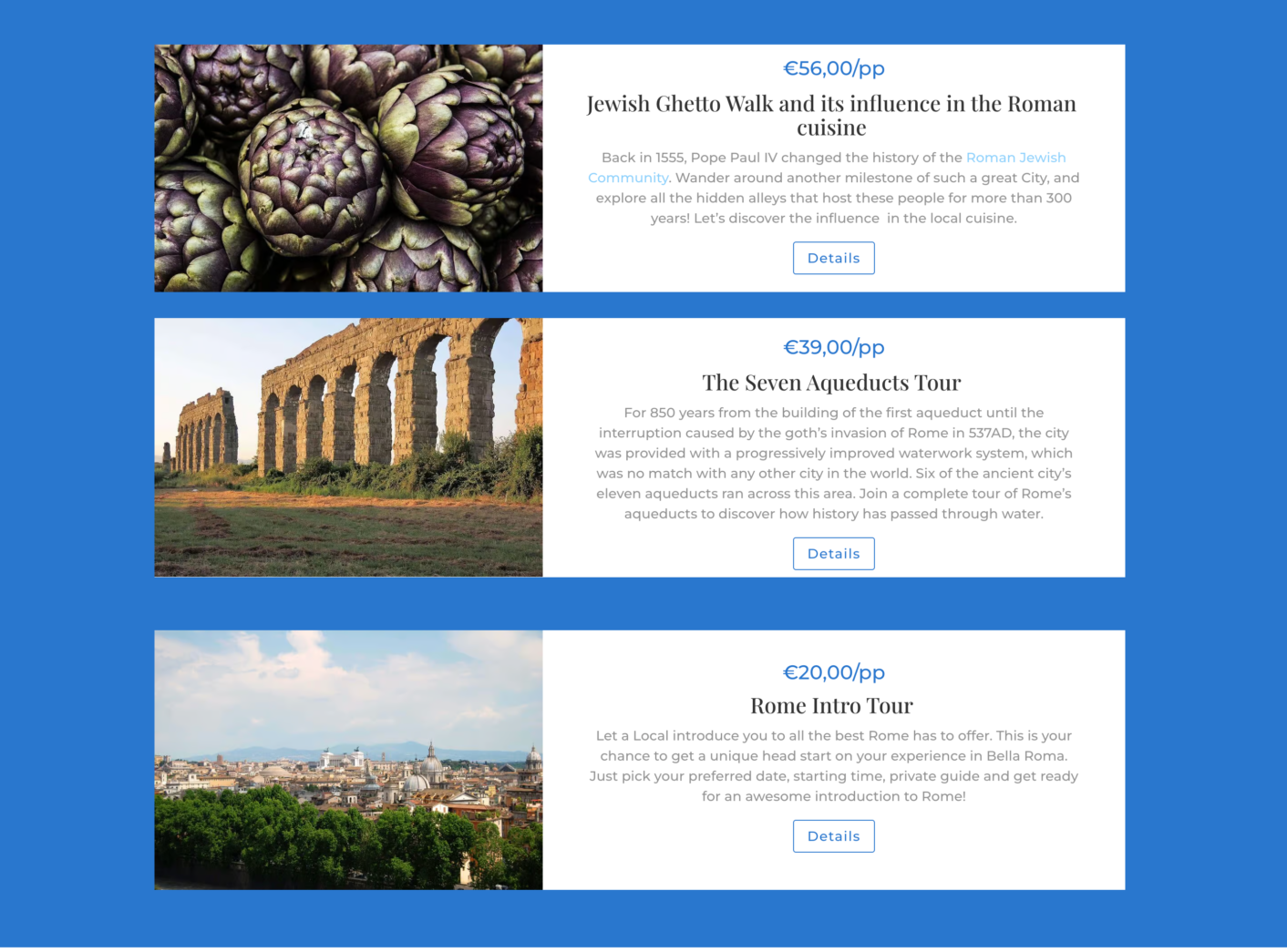
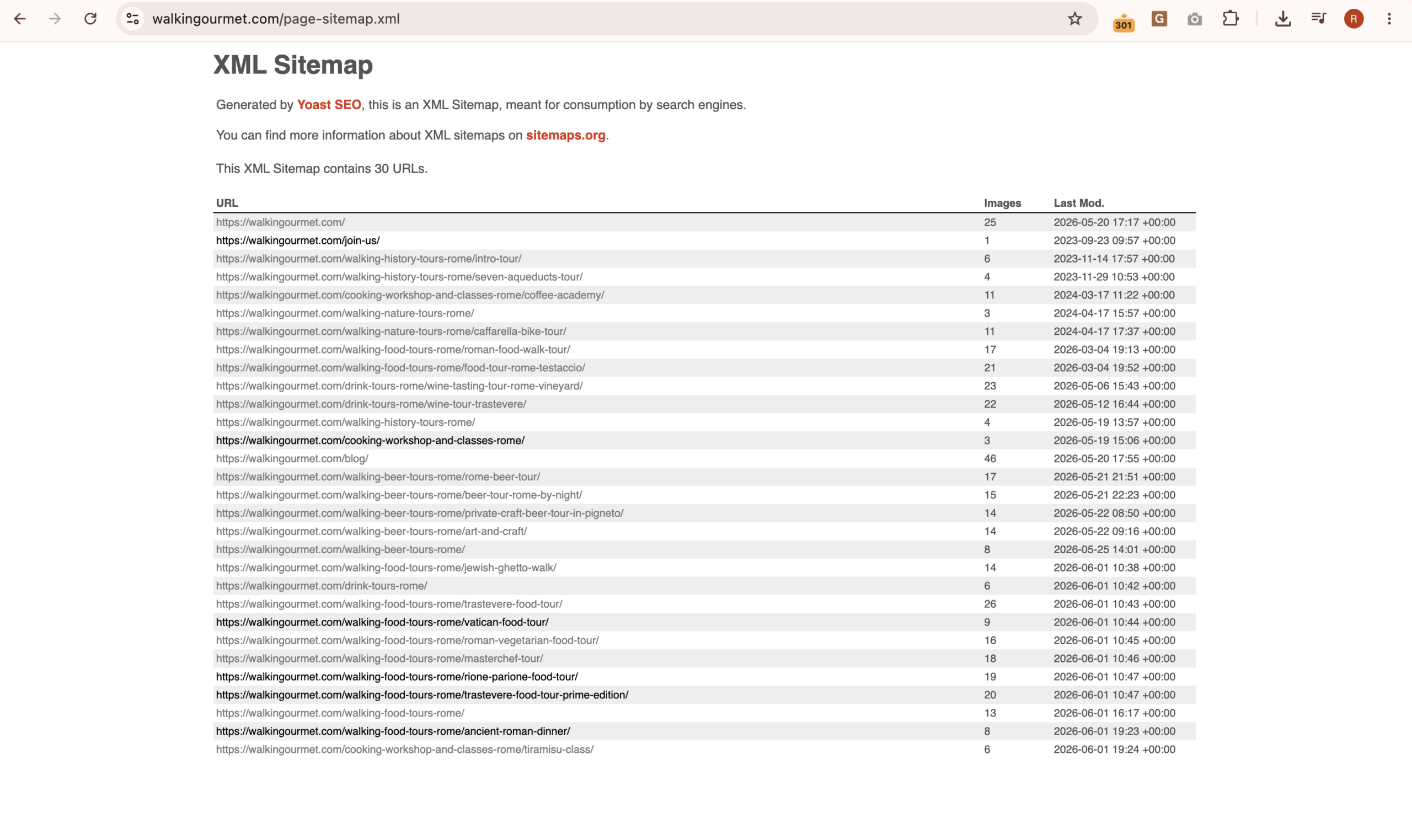
The project involved a complete overhaul of the website’s user experience, structure, and functionality. This included custom page development, theme and template improvements, category hub creation, booking journey enhancements, and ongoing platform management.
In addition to front-end improvements, the project included plugin optimization, security enhancements, hosting management, maintenance, and performance monitoring. All development and implementation work was completed directly without relying on external developers.
Performance & Mobile Experience
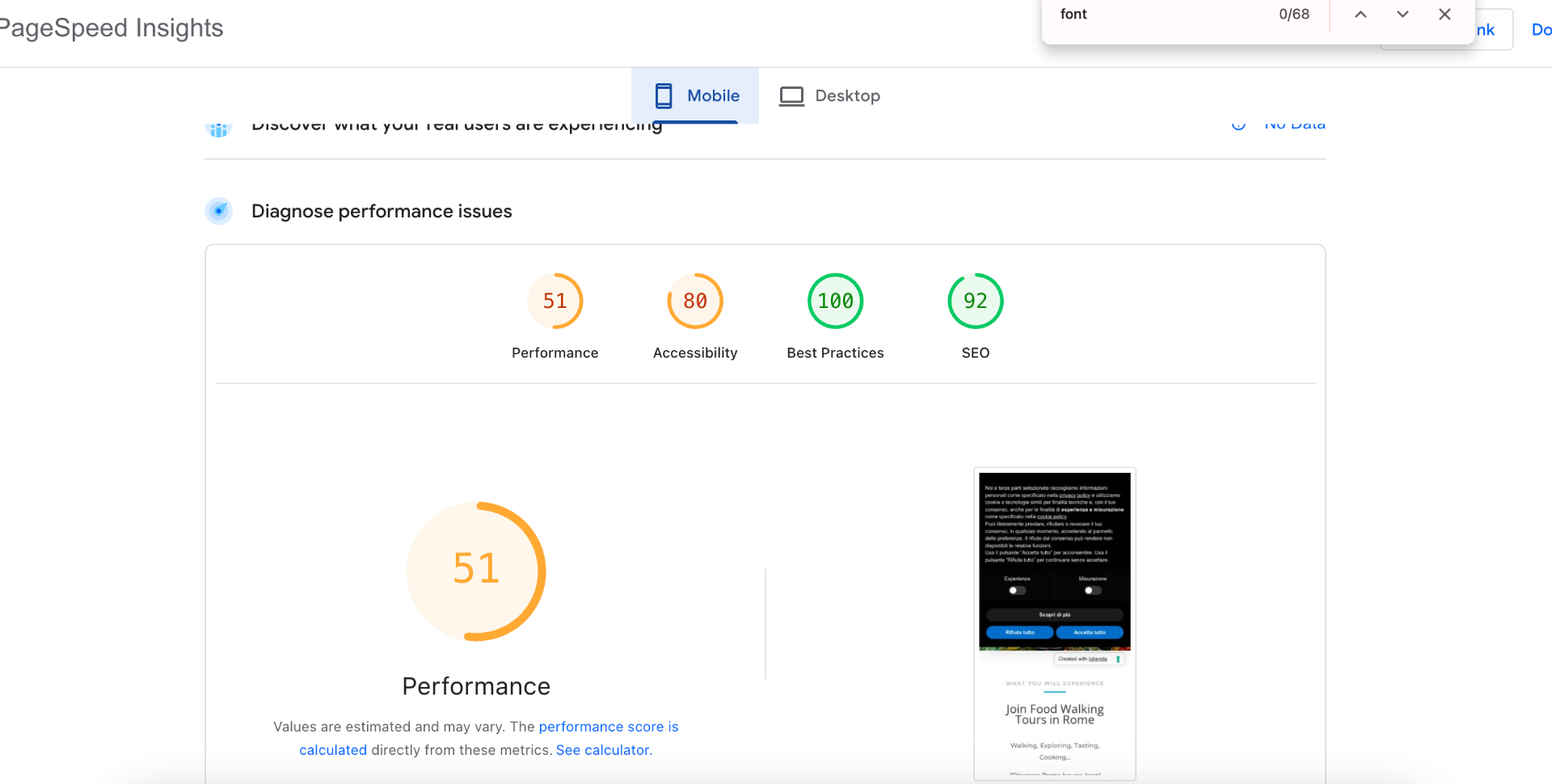
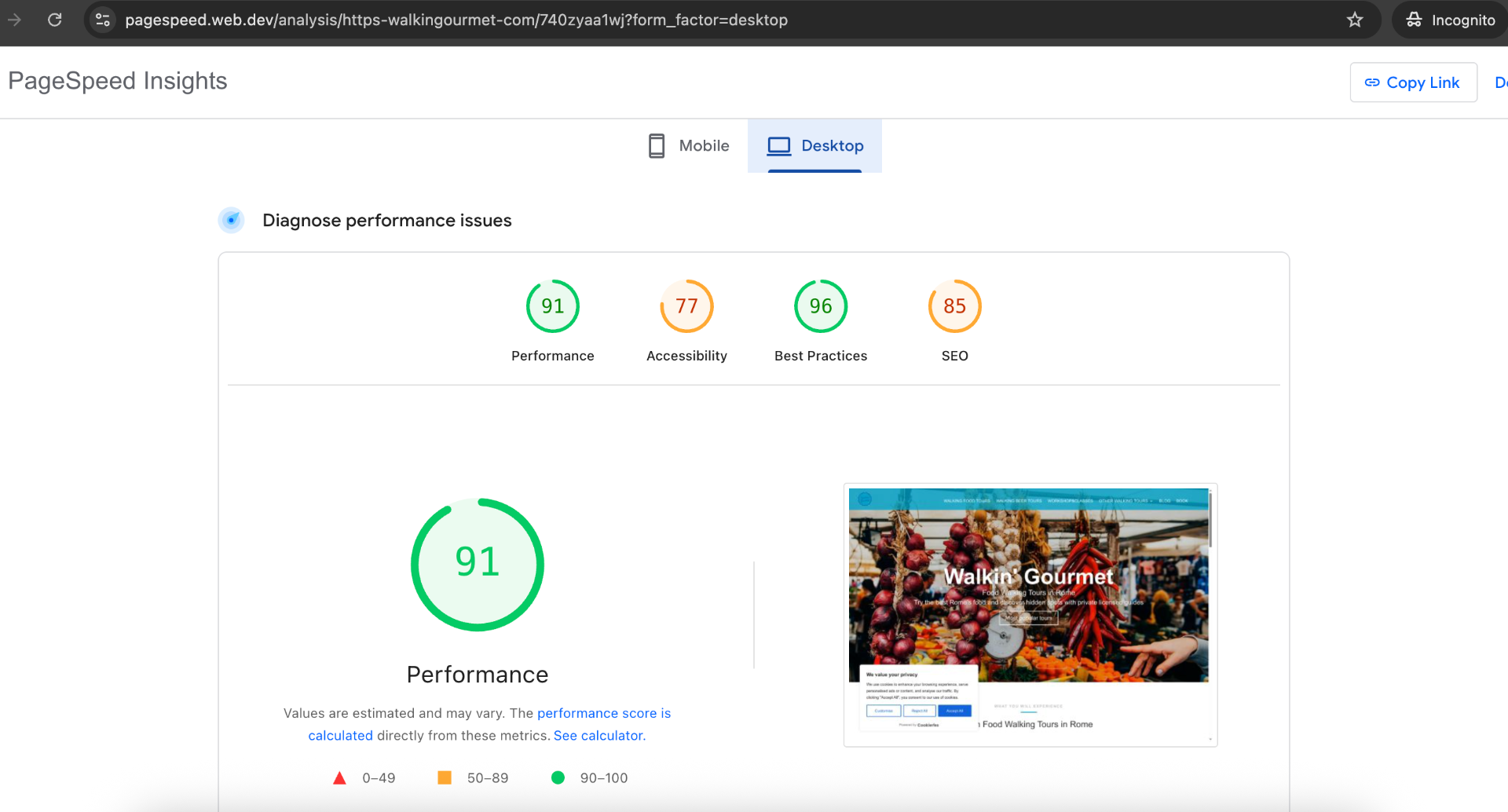
Improving speed and usability was a key priority throughout the project. A range of technical optimizations were implemented, including image compression, font optimization, code cleanup, resource compression, and mobile responsiveness improvements.
The result was a faster, smoother user experience designed to support engagement, enquiries, and bookings across all devices.
Content Architecture & Search Visibility
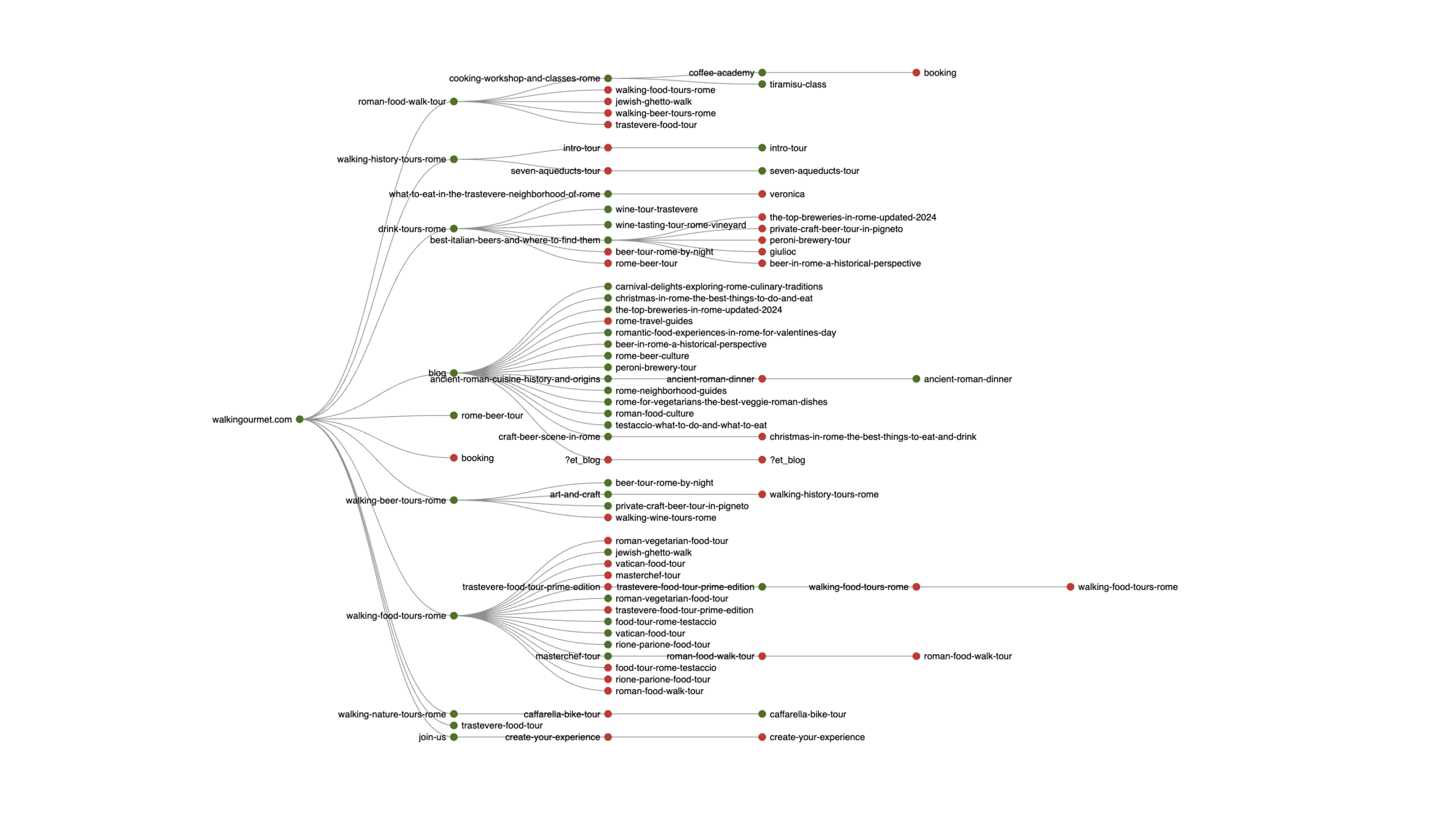
One of the most significant improvements was the restructuring of the website’s content architecture. New category hubs, topic clusters, and internal linking systems were created to better connect related content and strengthen topical authority.
Core areas such as food tours, wine experiences, cooking classes, and cultural experiences were reorganized into a more scalable framework that improves navigation, supports search visibility, and provides a foundation for future content growth.
Content & Structured Data Optimization
Every major page was reviewed and refined to better align with user intent, search demand, and business objectives. This included content improvements, FAQ implementation, metadata optimization, internal linking enhancements, and the implementation of structured data across key sections of the website.
A comprehensive schema framework was introduced, including FAQ, Breadcrumb, Product, Review, Merchant Listing, Tourist Trip, and Local Business schema, helping search engines better understand the website’s content and relationships.
Conclusion
Walking Gourmet demonstrates how sustainable growth can be achieved through the combination of website development, content strategy, user experience improvements, structured data, technical implementation, and long-term planning.
The result is a faster, more organized, more visible, and more scalable platform prepared for future expansion.
Many of the improvements implemented during this project continue delivering value without requiring ongoing advertising spend, creating a stronger foundation for long-term growth.
Note: The project is still ongoing and on the next phases we will focus on the new areas.
Need Similar Results?
If your website is generating less traffic, leads, or sales than it should, the problem is often not a single issue, it is the result of multiple technical, content, UX, and structural limitations working together.
I help businesses identify those limitations and build scalable websites designed for long-term growth.
Interested in discussing your project? Let’s talk.